

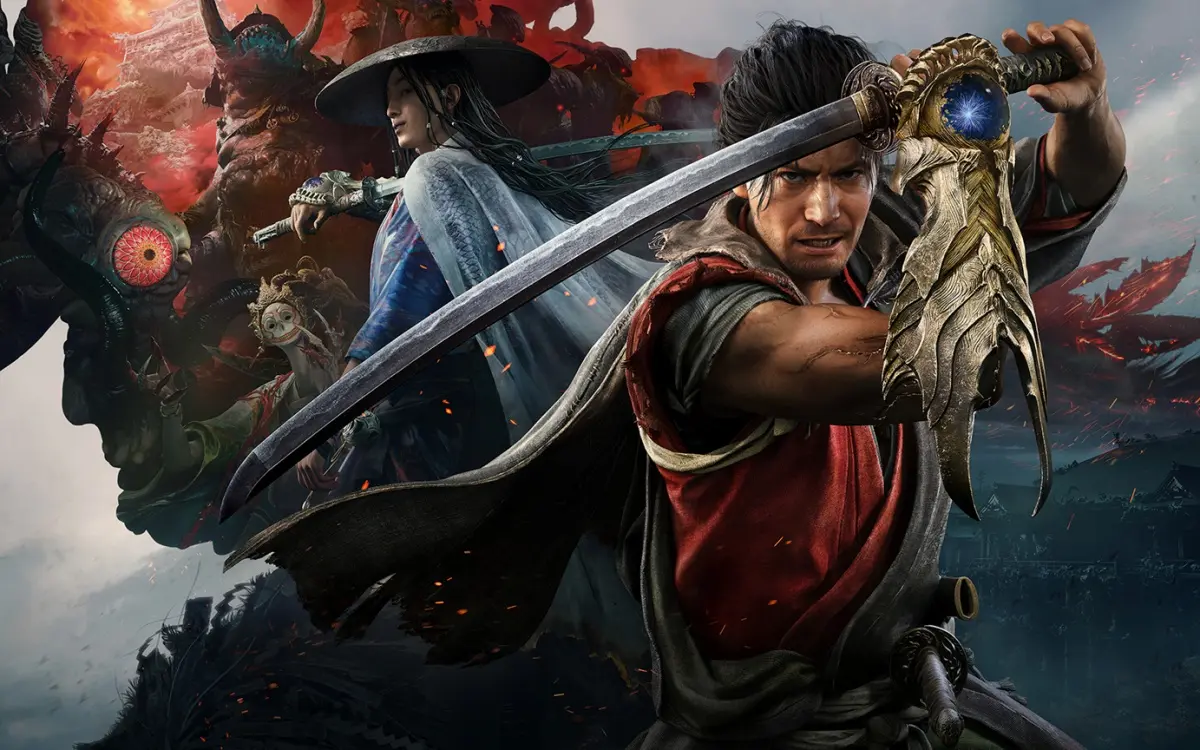
Two decades after the silence of one of PlayStation 2’s most beloved action-horror franchises, Capcom has delivered a perfect counter-attack. Released on September 4, 2026, Onimusha: Way of the Sword resurrects the soul of Japan’s feudal era under a stunning, photorealistic display powered by the acclaimed RE Engine.
Whether you are a seasoned veteran eager to relive the lethal precision of the Issen counter-attack or a newcomer wishing to understand the violent cosmic war between the Oni Clan and the demonic Genma, this ultimate lore guide is custom-tailored for your journey.
Share
1. Summarizing the Classic Saga: The Sengoku Era in Flames
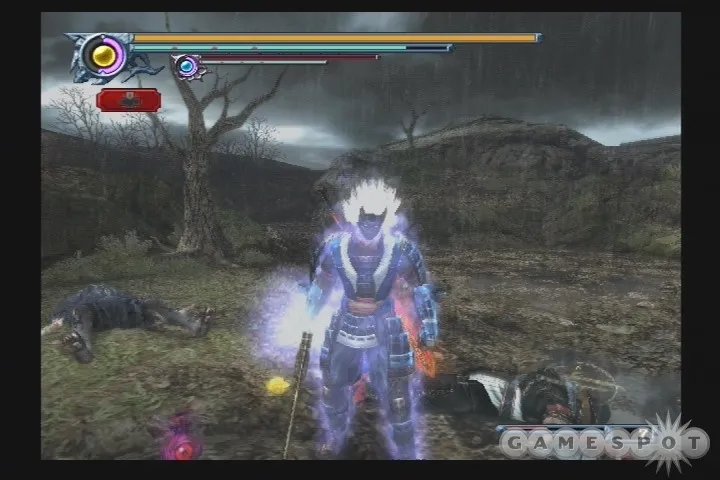
To understand the weight of the heritage within the Oni Gauntlet, we must look into the ashes of the past. The classic trilogy and its subsequent final chapter established the rules of a brutal supernatural war that rewrote the history of Japan:
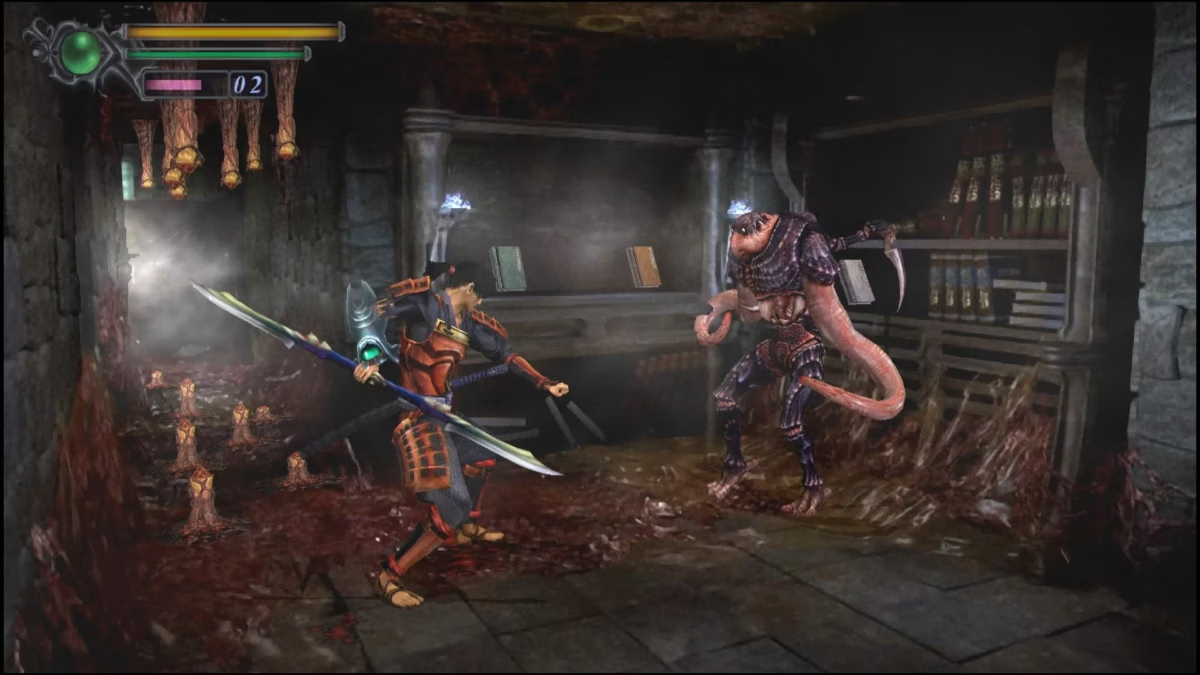
Onimusha: Warlords (2001) — The Pact of Okehazama
The story begins in 1560. The general Samanosuke Akechi and the ninja Kaede march to rescue Princess Yuki from Inabayama Castle. At the famous battle of Okehazama, the ambitious warlord Oda Nobunaga is killed with an arrow to his neck. However, his death is just the beginning of the nightmare: he is resurrected by the supreme Lord of the Genma, Fortinbras, signing a blood pact to lead a demonic army over humanity. Samanosuke receives the first Oni Gauntlet, defeats Fortinbras, but Nobunaga takes the vacant throne as the new and ruthless Genma Lord.
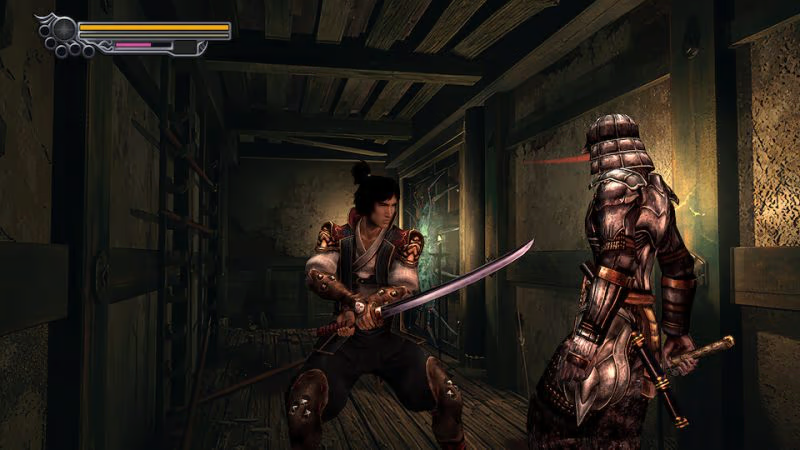
Onimusha 2: Samurai’s Destiny (2002) — Jūbei’s Path
Years later, in 1573, Nobunaga destroys the peaceful village of Yagyū. The wandering swordsman Jūbei Yagyū discovers his Oni heritage on his mother’s side and starts a relentless hunt for the tyrant. He gathers allies through a unique gift-giving system and, upon acquiring the Five Sacred Orbs (Charity, Faith, Honesty, Respect, and Strength), he manages to purify and defeat Nobunaga’s physical avatar in a titanic clash.
🔗 Read more: Elden Ring: The Tragedy of Queen Marika and Radagon’s Secret
Onimusha 3: Demon Siege (2004) — The Collision of Eras
At the height of Genma ambition, the mad scientist Gilden Stern tears the fabric of time. Samanosuke is thrown into Paris in 2004, while French police officer Jacques Blanc is pulled into feudal Japan in 1582. Collaborating across centuries with the help of the tengu spirit Ako, they close the temporal rifts and execute Nobunaga at Honnoji Temple, sealing his malevolent soul forever inside the Oni Gauntlet.
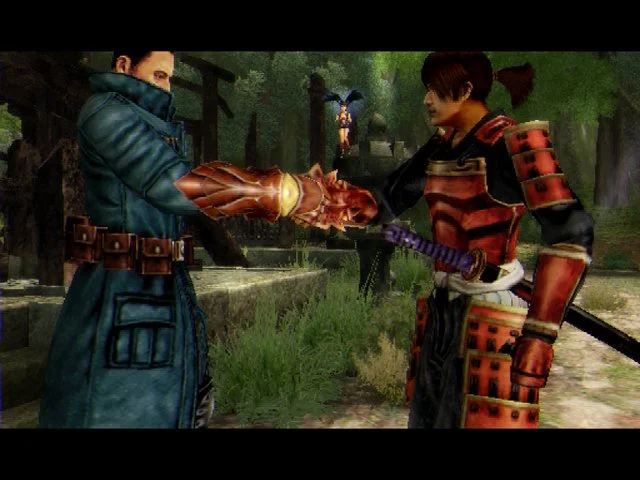
Onimusha: Dawn of Dreams (2006) — The Sacrifice of the Blue Demon
Years after Nobunaga’s fall, his former lackey Toyotomi Hideyoshi takes power. He spreads the malevolent Genma Cherry Trees (which use humans as fertilizer to breed mind-controlling insects) to resurrect Fortinbras, the God of Light of the demons. The legendary warrior Hideyasu “Sōki” Yūki (known as the Blue Demon) joins memorable allies, including the enigmatic monk Tenkai (who is actually Samanosuke in disguise), and destroys the white deity at the cost of his own life, restoring peace to Japan.
2. Onimusha: Way of the Sword: Resurrection in the Edo Period
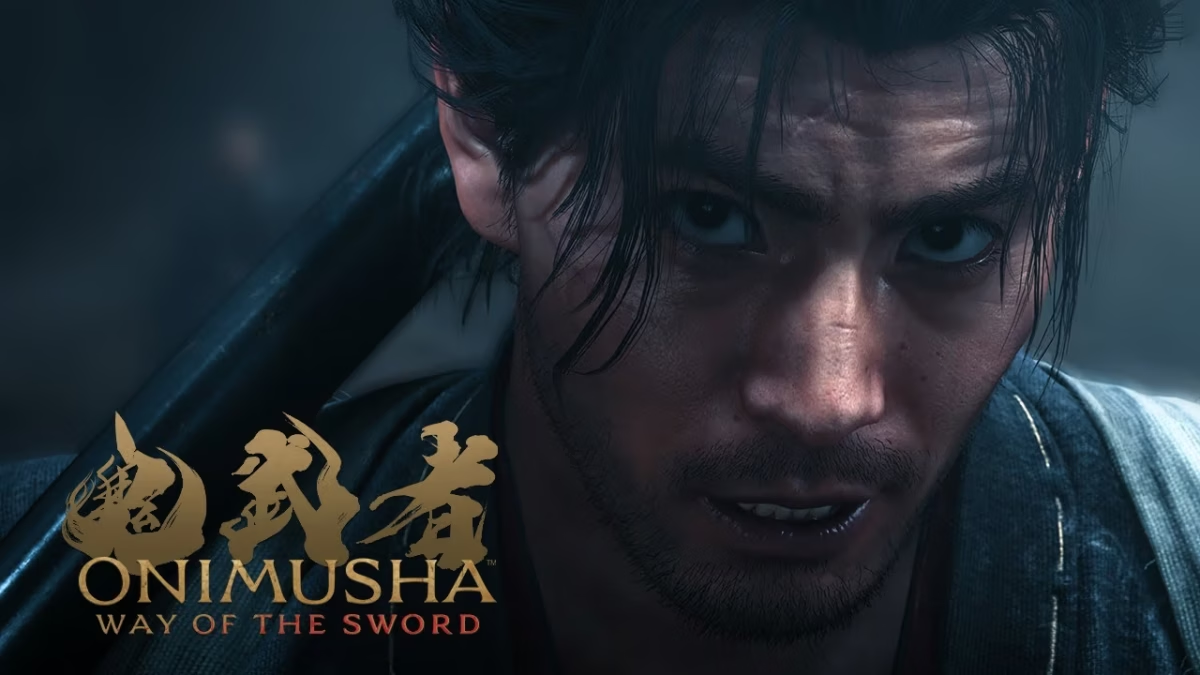
The 2026 game transports us to a dark fantasy version of Kyoto during the early Edo period. The protagonist is not a classic military hero, but rather a young, audacious, and sometimes comically arrogant Miyamoto Musashi.
After being cut down in battle by Genma soldiers who suddenly besieged the ancient capital, Musashi wakes up mysteriously resurrected. The miracle of his survival is due to the legendary Oni Gauntlet fused to his arm against his will. Musashi must now hunt down the demonic forces and uncover why panic has returned to the streets of Kyoto.
The plot of Way of the Sword steps away from overly convoluted threads to deliver a story filled with heart and humanity, driven by a formidable supporting cast:
- Izumo no Okuni: A brave dancer seeking vengeance against the Genma who murdered her troupe companions, bringing a vibrant, sisterly dynamic to her bond with Musashi.
- Ono no Takamura: The strict mentor and trainer who provides indispensable advice and discipline to shape the protagonist’s rebellious spirit.
- Shizuka Gozen: A mystical female spirit residing within Musashi’s gauntlet, serving as his tactical guide in battles and the voice of reason in moral choices.
Miyamoto Musashi3. Mastering the Blade: Combat and Progression Systems
Diverging from bloated open-world trends or exhausted “Souls-like” clones, Onimusha: Way of the Sword focuses on what Capcom does best: surgical linear action. The game adopts a “wide linear” model, shifting between story-focused missions and a central Kyoto hub for rumors, sealing Malice rifts, and combating bosses.
The combat mechanics are deep and reward player reflexes:
- Parry and Deflect: Combat is built around the ring of steel on steel. You must block at the exact moment to stun foes or deflect incoming projectiles back at them.
- The Return of Issen: The legendary one-hit counter-attack that instantly slays standard enemies or inflicts massive damage on bosses if triggered in the split second before you take damage.
- Break Issen: Attacks consume a red Stamina bar (while the yellow bar dictates health). When an opponent’s stamina is completely drained by your perfect blocks, Musashi can unleash the catastrophic Break Issen, extracting massive amounts of souls and dealing huge damage.
The progression system is governed by Souls absorbed by the Oni Gauntlet:
- Red Orbs: Required as currency to buy upgrades and level up skills in the talent tree.
- Yellow Souls: Replenish Musashi’s health in battle.
- Blue Souls: Recharge powerful Oni Armaments, magical elemental weapons that deal devastating damage to enemies with specific barriers.
🔗 Read more: Beast of Reincarnation: The Dark Sci-Fi Lore of 4026
4. The Path of the Swordsman: Musashi vs. Sasaki Ganryu
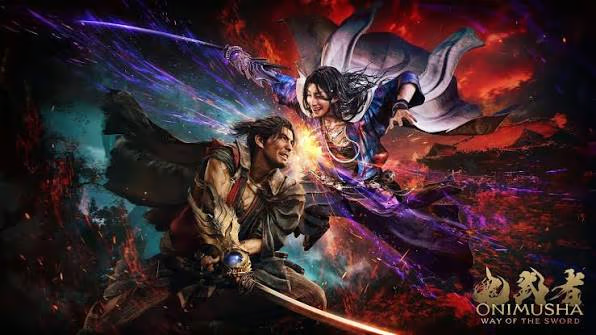
The emotional and philosophical climax of Way of the Sword lies in the emblematic duel of ideals between Miyamoto Musashi and his iconic rival, Sasaki Ganryu (Sasaki Kojiro). Both strive to reach the absolute peak of sword mastery, but walk completely opposite moral paths.
While Musashi learns to value discipline, self-improvement, and the protection of the innocent alongside his companions, Ganryu embraces the dark power offered by the Genma to achieve artificial, destructive strength, believing that the blade only exists to cut and dominate.
Musashi’s journey from a cocky swordsman who fights only for fun to a hero willing to risk his life to prevent the collapse of reality is told with cinematic mastery. Each duel against Ganryu is a visual spectacle of flying sparks, realistic martial choreography, and dramatic weight, making Onimusha of 2026 an irreplaceable milestone for the industry.
- The Secret of the Tenth Realm: The Dark Lore and Tragic Theology of Valheim
- The Legend of Time: The Complete Lore and Three Timelines of Zelda Ocarina of Time
- How Many Endings Does Onimusha: Way of the Sword Have? The Ending & Post-Credits Explained
- The Awakening of the Samurai: Onimusha’s Lore and the Mysteries of Way of the Sword
- The Truth Behind Shambhala and the Dark Sci-Fi Lore of Beast of Reincarnation